Minimalist Prints: Elevating Professional Workflows with Refined Typography
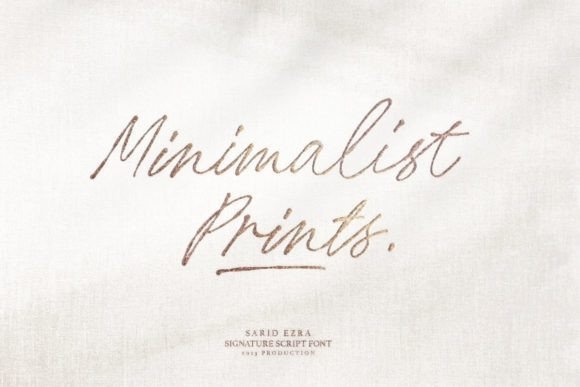
In the landscape of digital design and professional communication, the choice of typography often dictates the perceived value of a project before a single word is read. Minimalist Prints stands out not merely as a typeface, but as a strategic asset for professionals who demand precision and elegance in their output. This exquisite and refined font exudes luxury and sophistication, making it an ideal companion for high-end branding, formal invitations, and any project where an elegant and fancy script is required to make a bold and lasting impression.
For entrepreneurs, marketers, and creators aged 20 to 50, integrating Minimalist Prints into a workflow requires more than simply selecting a font from a menu; it demands an understanding of how this specific aesthetic interacts with broader business goals and user expectations. Whether you are finalizing a wedding invitation suite, launching a luxury product line, or drafting a proposal for a prestigious client, the implementation of this script can be the differentiator between a standard document and a memorable brand experience.
Strategic Integration in Branding and Identity
The primary use case for Minimalist Prints lies in the foundational stages of brand development. When establishing a visual identity for a boutique firm, a high-end consultancy, or a luxury lifestyle brand, consistency is paramount. This font serves as a powerful anchor that communicates authority and grace simultaneously. Unlike generic serif or sans-serif options, the intricate details and graceful curves of Minimalist Prints add a layer of human touch to corporate materials without sacrificing professionalism.
During the planning phase of a rebrand or a new venture, designers should consider how this script complements existing assets. It pairs exceptionally well with clean, geometric sans-serifs for body text, creating a balanced hierarchy that guides the reader's eye. For instance, a marketing team might use Minimalist Prints for headlines on a landing page while maintaining legibility through a neutral supporting font. This combination ensures that the initial impact is luxurious, while the information delivery remains efficient and clear.
Implementation here involves strict adherence to usage guidelines. To maintain the integrity of the brand, Minimalist Prints should be reserved for key moments of emphasis. Overusing the script can dilute its sophisticated effect, turning a statement of luxury into visual noise. Professionals must curate their style guides to specify exactly where this font applies, ensuring that every interaction with the brand feels intentional and polished.
Application in Formal Communications
Beyond logo design, Minimalist Prints plays a critical role in formal correspondence and event management. For educators, publishers, and freelancers hosting webinars or workshops, the tone of the communication sets the stage for engagement. A formal invitation generated using this font immediately signals respect and importance to the recipient.
The process of creating these documents benefits from the font's inherent readability despite its decorative nature. The graceful curves prevent the text from feeling stiff or archaic, which is a common pitfall with traditional script fonts. When organizing a conference, a seminar, or a gala, utilizing Minimalist Prints for the event title and key headers elevates the perceived quality of the entire program. This psychological cue can influence ticket sales and attendance rates, as attendees associate the refined aesthetic with a high-value experience.
Furthermore, in the realm of publishing, authors and editors can leverage this typeface for chapter titles or pull quotes within e-books and print magazines. The contrast between the flowing script and the structured body text creates a dynamic reading rhythm. This variation keeps the audience engaged and breaks up dense blocks of information, facilitating better comprehension and retention of complex ideas.
Workflow Efficiency and Technical Compatibility
Adopting a specialized font like Minimalist Prints requires attention to technical logistics. In a collaborative environment involving multiple stakeholders, such as a remote team of developers and designers, compatibility is a major factor. Before committing to a long-term project, teams must verify that the font files are properly licensed and accessible across all necessary platforms, including web browsers, mobile applications, and desktop publishing software.
Preparation is key to avoiding workflow bottlenecks. Designers should convert the font into web-safe formats (such as WOFF2) if it will be used on digital interfaces. This step ensures that the intricate details and graceful curves render correctly on various devices, preserving the intended luxury feel regardless of the screen size. Without this preparation, the risk of fallback fonts appearing can undermine the brand's sophisticated image.
Additionally, organization within design files is crucial. When working with Minimalist Prints, it is advisable to create dedicated layers or stylesheets that isolate the script from other typographic elements. This practice streamlines the editing process, allowing team members to quickly swap out content without accidentally altering the formatting of the main body text. Efficient file management reduces the time spent on revisions and minimizes the potential for errors during the handoff phase.
- Licensing Verification: Ensure commercial rights cover all intended uses, including digital ads and printed merchandise.
- Format Conversion: Convert font files to web-optimized formats to guarantee cross-platform consistency.
- Style Sheets: Utilize CSS classes or paragraph styles to manage the font globally and ensure updates are applied instantly.
- Asset Organization: Keep font files in a central repository to facilitate easy access for all team members.
Quality Control and Consistency Checks
Maintaining the high standards associated with Minimalist Prints requires rigorous quality control. Because the font relies on intricate details, small rendering issues can become noticeable at lower resolutions or when scaled incorrectly. During the review process, stakeholders should check the font weight, spacing, and kerning on both light and dark backgrounds.
Consistency extends beyond the visual appearance to the emotional response the font evokes. If a brand uses Minimalist Prints for its premium tier products but switches to a casual script for its budget line, the message becomes confusing. Professionals must align the typography with the product positioning to ensure a cohesive narrative. Regular audits of marketing materials and digital assets help identify deviations early, allowing for quick corrections that protect the brand's reputation.
Long-term use also involves monitoring trends. While Minimalist Prints offers a timeless elegance, staying attuned to evolving design preferences ensures that the brand remains relevant. However, the core strength of this font lies in its ability to transcend fleeting trends, making it a stable choice for building a legacy brand. By focusing on durability and adaptability, businesses can rely on this script to convey their values consistently over years of operation.
Enhancing Personal and Creative Goals
For hobbyists, bloggers, and independent creators, Minimalist Prints offers a pathway to elevate personal projects to a professional level. Many individuals struggle with the perception that their work lacks polish. Integrating this refined font into personal blogs, portfolios, or creative journals can bridge the gap between amateur and expert presentation.
The process of adopting Minimalist Prints in a personal context is often simpler than in corporate settings, offering more freedom to experiment. A freelancer might use the script to sign off on proposals, adding a personal yet authoritative touch that reinforces their expertise. Similarly, a blogger could use it for featured post titles to draw attention to high-quality content, distinguishing it from daily updates.
This font encourages a mindset of intentionality. When every element of a page is carefully considered, the overall output improves. Using Minimalist Prints forces the creator to think about whitespace, hierarchy, and balance, fostering a deeper understanding of design principles. As users become more proficient with this tool, they naturally apply these concepts to other aspects of their work, leading to improved efficiency and higher quality outcomes.
In conclusion, Minimalist Prints is more than a decorative element; it is a functional component of a successful design strategy. Its ability to convey luxury and sophistication makes it indispensable for high-end branding and formal communications. By approaching its implementation with a focus on preparation, compatibility, and consistency, professionals can seamlessly integrate this font into their workflows. Whether managing a large-scale corporate campaign or curating a personal portfolio, Minimalist Prints provides the elegant and fancy script necessary to make a bold and lasting impression.
The journey of incorporating this typeface begins with understanding its unique characteristics and ends with a refined, cohesive visual identity. For those willing to invest the time in learning how to wield Minimalist Prints effectively, the rewards are substantial: enhanced brand perception, improved user engagement, and a distinct competitive advantage in a crowded marketplace.