Richford: Elevating Visual Communication with Strategic Typography
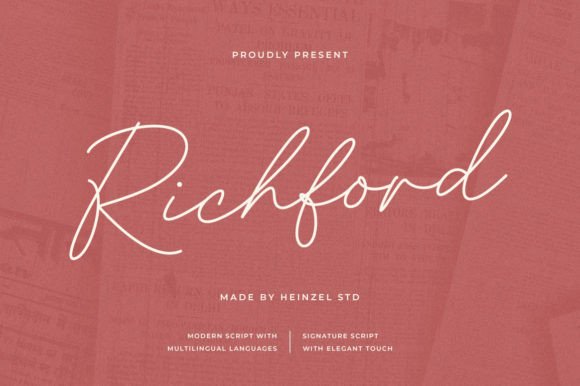
In the crowded digital landscape, where attention spans are fleeting and visual noise is constant, the choice of typography often determines whether a message resonates or fades into obscurity. Richford is not merely a decorative script; it is a strategic asset designed to bridge the gap between traditional elegance and modern functionality. As a signature script font that embodies an elegant and modern touch, it offers professionals and creators a distinct advantage in conveying sophistication without sacrificing readability.
Understanding when and how to deploy a typeface like Richford requires more than aesthetic preference. It demands a clear understanding of brand positioning, audience expectations, and the specific goals of your communication strategy. Whether you are a small business owner refining your identity, a marketer crafting a campaign, or an educator creating engaging materials, the intentional application of Richford can significantly enhance your outcomes.
The Strategic Value of Signature Scripts in Modern Branding
Typography is the voice of your visual design. While sans-serif fonts often communicate efficiency and clarity, and serif fonts suggest tradition and reliability, a signature script like Richford communicates personality and human connection. In a world dominated by rigid grids and standardized templates, introducing a handwritten element signals authenticity. This is particularly crucial for entrepreneurs and freelancers who rely on personal branding to differentiate themselves from faceless corporations.
When used correctly, Richford transforms standard content into something memorable. Its fluid strokes and balanced proportions allow it to stand out while maintaining a level of professionalism that avoids the pitfalls of overly casual or chaotic handwriting styles. For decision-makers looking to elevate their marketing materials, Richford provides a tool to inject warmth into cold data and structure into creative concepts. It serves as a visual anchor that guides the viewer's eye and establishes an emotional tone before a single word is read.
The versatility of Richford lies in its ability to adapt to various contexts without losing its character. From high-end wedding invitations to dynamic social media graphics, this font maintains its integrity across different mediums. This adaptability makes it a cost-effective solution for businesses that need a cohesive look across diverse platforms, from print brochures to digital newsletters.
Enhancing Brand Identity and Positioning
Your brand is defined by every interaction a customer has with your business, and typography plays a pivotal role in that experience. Using Richford strategically can position a brand as premium, approachable, and detail-oriented. Consider a boutique law firm or a high-end consultancy; integrating Richford into their letterhead or proposal covers can subtly signal a commitment to craftsmanship and personalized service.
For lifestyle brands, beauty products, or creative agencies, Richford reinforces the idea of artistry and care. It suggests that the product or service behind the logo was created with intention. When applied to business cards, the tactile feel of the design is mirrored in the visual weight of the text, creating a multi-sensory impression that leaves a lasting mark on potential clients.
Practical Applications Across Creative and Business Sectors
The utility of Richford extends far beyond simple decoration. By analyzing specific use cases, we can see how this font supports tangible goals in planning, execution, and long-term growth. The key is to apply it where it adds value rather than using it simply because it looks nice.
- Wedding Invitations and Event Planning: In the event industry, first impressions are everything. Richford brings a sense of occasion and celebration to invitations. Its elegant curves set the stage for the tone of the event, promising guests an experience that is both refined and heartfelt. For planners, using a consistent signature font helps create a unified theme across save-the-dates, menus, and signage.
- Thank You Cards and Greeting Materials: Personalization is a powerful driver of customer loyalty. A generic printed note feels transactional, but a card featuring Richford feels bespoke. For small business owners and freelancers, sending thank-you notes with this font can significantly increase client retention rates by making the recipient feel valued and recognized.
- Logos and Brand Marks: A logo needs to be distinctive yet legible. Richford works exceptionally well as a primary logotype for businesses that want to emphasize a personal touch, such as coffee shops, bakeries, or artisan studios. It allows the brand name to become the artwork itself, reducing the need for complex graphic elements while maximizing impact.
- Social Media and Content Marketing: In the realm of social media, engagement is driven by visual appeal. Quotes, inspirational posts, and promotional banners featuring Richford tend to perform better than those with standard body text. It breaks up the monotony of feeds and encourages users to pause and read. However, it must be paired with clean, readable body fonts to ensure the message is accessible.
- Magazines and Editorial Design: Publishers often use signature scripts for pull quotes, section headers, or feature titles. Richford adds a layer of editorial flair that elevates the perceived quality of the publication. It suggests that the content within is curated with care, appealing to readers who appreciate high-quality journalism and design.
Integrating Richford into Operational Workflows
For educators and bloggers, Richford can be a tool for enhancing learning materials and reader engagement. Handwritten-style fonts mimic the experience of a teacher writing on a whiteboard or a friend sharing a note, which can reduce cognitive load and make information feel more digestible. When designing lesson plans, worksheets, or blog post headers, incorporating Richford can make dry subjects feel more inviting.
Marketers should consider Richford in the context of their customer journey. Where does the brand need to speak softly? Where does it need to whisper a secret? These moments are perfect for script typography. By mapping out the customer experience, teams can identify specific touchpoints where Richford will amplify the intended emotion, ensuring that the font choice aligns with the broader narrative arc of the campaign.
Decision-Making Guidelines and Risk Management
While Richford is a powerful tool, it is not a universal solution. The greatest risk in typography is overuse. Just as a loud voice can drown out a conversation, a font that is too prominent can overwhelm the content and alienate the audience. To achieve better results, designers and strategists must exercise discipline and intent.
Avoiding the "Decorative Trap"
One common mistake is using Richford for entire blocks of text. Because it is a script font, it is generally less legible at smaller sizes or in long paragraphs. Relying on it for body copy can frustrate readers and hurt accessibility. Instead, treat Richford as a headline or accent element. Use it to highlight key messages, draw attention to calls to action, or frame important information. Let it work in harmony with a neutral sans-serif or serif font that handles the heavy lifting of reading.
Contextual Relevance
Before committing to Richford for a project, ask critical questions about the context. Does the target audience expect formality or playfulness? Is the medium print or mobile? On a mobile screen, the intricate details of a script font may disappear, leading to a loss of character. In these cases, a simplified version or a reduced size might be necessary. Understanding the technical constraints of your distribution channels is just as important as the aesthetic appeal.
Maintaining Brand Consistency
Consistency builds trust. If Richford is used in your email signature one week and replaced with a chaotic doodle font the next, it dilutes your brand equity. Establish clear guidelines for when and how Richford is used. Define its hierarchy: Is it reserved for main headlines? Can it be used for subheads? What is the minimum font size? Having these rules in place ensures that every piece of communication, regardless of who creates it, contributes to a cohesive brand image.
Maximizing Long-Term Results Through Intentional Design
The ultimate goal of any design decision is to support the broader objectives of the organization. Richford, with its elegant and modern touch, is perfectly suited for projects that aim to build relationships and foster trust. By focusing on the user experience and the clarity of the message, creators can leverage this font to achieve superior results.
Strategic use of Richford leads to higher engagement rates, improved brand recall, and a stronger emotional connection with the audience. It signals that the creator cares about the details, which translates into a perception of quality in the product or service offered. Whether you are launching a new startup, rebranding an established company, or creating a portfolio to showcase your work, the thoughtful application of this signature script can be the difference between being noticed and being remembered.
In conclusion, Richford is more than just a pretty font; it is a strategic instrument for effective communication. By understanding its strengths, respecting its limitations, and applying it with clear goals in mind, professionals across all industries can elevate their work. The path to success lies not in following trends blindly, but in making informed decisions that align with your unique vision and the needs of your audience. When Richford is used intentionally, it becomes an integral part of a successful story, guiding your audience toward better understanding and deeper appreciation.