Keylantera: Elevating Brand Identity with Delicate Elegance and Sophisticated Class
In an era where digital interfaces are saturated with uniform sans-serif typefaces and rigid grid systems, the demand for authenticity and human connection has never been more urgent. Professionals, creators, and entrepreneurs are increasingly seeking ways to break through the visual noise of the modern web. This is where Keylantera emerges as a transformative tool in the typographic landscape. It is not merely a font; it is a deliberate design choice that signals refinement, intentionality, and a deep respect for the artistry of letterforms.
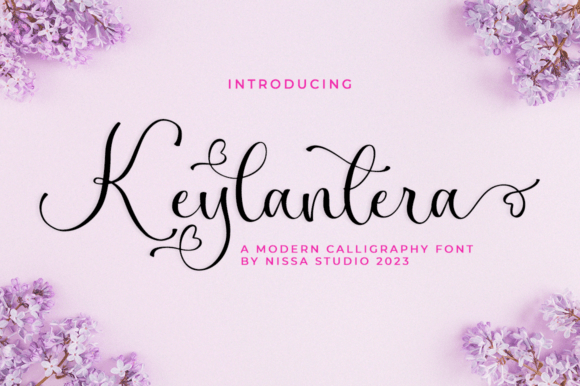
Keylantera is a lovely and delicate script font that exudes elegance and class. Unlike many digital scripts that attempt to mimic handwriting but often fall into the trap of being cluttered or illegible, Keylantera strikes a perfect balance between fluidity and structure. It offers a beautiful and refreshing look to designs that require a touch of sophistication without sacrificing readability. For marketers and freelancers looking to craft narratives that resonate on an emotional level, this typeface provides the necessary vocabulary to speak directly to the viewer's sense of aesthetics.
The Shift Towards Human-Centric Typography
The broader creative industry is currently undergoing a significant paradigm shift. We are moving away from the hyper-functional, "flat" design aesthetic that dominated the last decade toward a style that embraces warmth, texture, and personality. Consumers are fatigued by sterile corporate visuals and are gravitating toward brands that feel curated and personal. In this context, the integration of a script font like Keylantera is not just a stylistic preference; it is a strategic response to changing consumer expectations.
When a brand utilizes Keylantera, they are signaling that they value craftsmanship. Whether it is a luxury fashion label, a boutique consultancy, or an artisanal food producer, the presence of such a refined typeface suggests a commitment to quality. It bridges the gap between traditional print media, where calligraphy has long held sway, and the dynamic world of digital marketing. By adopting this font, businesses align themselves with a forward-looking approach that prioritizes the user experience as an emotional journey rather than a purely transactional one.
Bridging Tradition and Technology
One of the most compelling aspects of Keylantera is its technical architecture, which addresses a common pain point in the adoption of high-quality display fonts. Historically, incorporating elaborate scripts into digital workflows required complex workarounds, manual character substitution, or reliance on third-party plugins that often compromised performance. Keylantera solves this through its PUA encoding.
This font is PUA encoded, which means you can access all of the glyphs and swashes with ease. The Private Use Area (PUA) allows designers to map specific characters to unique Unicode positions, ensuring that every ligature, alternate character, and decorative swash is accessible via a simple keyboard shortcut. For professionals working under tight deadlines, this efficiency is invaluable. It removes the friction between creativity and execution, allowing the designer to focus on the composition rather than the mechanics of the software.
The implications of this technology extend beyond mere convenience. It democratizes access to high-end typography. Previously, the ability to use complex swash alternatives was often reserved for print specialists with expensive software suites. Now, web developers and content creators can leverage these same sophisticated features directly within their browsers and standard design tools. This accessibility fosters a new wave of innovation where the barrier to entry for creating "bespoke" looks is significantly lowered.
Strategic Applications in Modern Workflows
How does Keylantera fit into the daily workflows of today's entrepreneurs and freelancers? The answer lies in its versatility across various mediums. In the realm of branding, it serves as a powerful anchor for logos and identity systems. A logo designed with the delicate strokes of Keylantera can convey a sense of heritage and trustworthiness that blocky geometric fonts cannot achieve.
- Editorial and Publishing: For digital magazines, blogs, and online publications, Keylantera is ideal for drop caps, pull quotes, and section headers. It draws the eye immediately, guiding the reader through the content with a natural rhythm.
- E-commerce and Packaging: In the competitive landscape of online retail, product packaging and landing pages must capture attention instantly. Using Keylantera for product names or promotional banners adds a layer of perceived value, making the item appear more premium.
- Social Media Content: As social platforms become increasingly visual, static images need to stand out. Captions and overlays featuring this font can transform a generic post into a piece of art, increasing engagement rates among audiences who appreciate aesthetic detail.
Furthermore, the font's delicate nature makes it particularly effective for mobile-first design strategies. On smaller screens, heavy serifs or overly ornate scripts can become illegible or cluttered. Keylantera, however, maintains its clarity even at reduced sizes, thanks to its balanced stroke weight and open counters. This ensures that the message remains crisp whether viewed on a smartphone or a desktop monitor.
The Psychology of Delicacy in Business Communication
There is a psychological component to why people are paying attention to fonts like Keylantera. In a business environment often characterized by aggression and urgency, a "lovely and delicate" typeface acts as a calming agent. It suggests that the brand is confident enough to be gentle. This softness is a strategic asset in industries such as wellness, education, and lifestyle, where trust and empathy are the primary currencies.
Marketers have observed that users spend more time engaging with content that feels inviting. When a headline uses Keylantera, it invites the reader to linger, to appreciate the form of the letters before consuming the information. This increased dwell time is a positive signal for search engines and contributes to better overall SEO performance. It creates a holistic user experience where the visual presentation supports the informational intent.
Moreover, the ability to easily access swashes allows for dynamic storytelling. A single word can be styled differently depending on the context, using a standard character for the first instance and a flourished version for emphasis later in the sentence. This subtle variation keeps the design fresh and prevents the monotony that often plagues long-form content.
Future-Proofing Your Design Assets
As we look toward the future of digital design, the integration of variable fonts and advanced OpenType features will become standard. However, the core principles of legibility, character, and accessibility remain paramount. Keylantera represents a stable foundation upon which future designs can be built. Its PUA encoding ensures compatibility across different operating systems and browsers, reducing the risk of fallback fonts ruining a layout.
For enthusiasts and professionals alike, investing in a font family that combines artistic merit with technical robustness is a wise decision. It is an investment in the longevity of your brand assets. While trends may shift, the fundamental human desire for beauty and order does not change. By choosing a font that embodies these timeless qualities, creators ensure their work remains relevant regardless of the evolving technological landscape.
The rise of Keylantera reflects a broader cultural movement toward appreciating the nuances of design. It challenges the notion that utility must come at the expense of beauty. Instead, it proves that the two can coexist harmoniously. As designers continue to push boundaries, tools like this will play a crucial role in defining the visual language of the next generation of the web.
Embracing a Refined Aesthetic
In conclusion, the adoption of Keylantera is about more than just selecting a typeface; it is about committing to a standard of excellence. It is for those who understand that details matter and that the smallest elements of a design can have the largest impact on perception. Whether you are rebranding a startup, designing a wedding invitation suite, or curating a portfolio website, the elegance and class offered by this font provide a distinct advantage.
By leveraging the power of PUA encoding to access its full range of glyphs and swashes, you unlock a level of customization that was previously difficult to achieve. This freedom allows for a more personalized and expressive output, setting your work apart in a crowded marketplace. As the industry continues to evolve, those who embrace the delicate and the refined will find themselves leading the charge in creating meaningful, memorable, and successful visual communications.
Ultimately, Keylantera stands as a testament to the enduring power of good design. It reminds us that even in a digital age driven by algorithms and data, there is still room for the human touch, the flourish of a pen, and the quiet confidence of a well-crafted letterform.