Skating: A Delicate Script Font for Elegant Design Projects
In the vast landscape of digital typography, finding a typeface that balances sophistication with approachability can be challenging. Skating emerges as a distinctive solution for designers seeking a script font that exudes elegance and class without sacrificing readability. This typeface was particularly crafted for those who need a beautiful and refreshing look to their designs, offering a unique blend of fluid motion and refined structure.
Unlike rigid serif or sans-serif fonts that dominate corporate branding, Skating introduces a human touch to visual communication. It captures the essence of movement, much like the graceful glide of ice skates, yet remains stable enough for professional applications. Whether you are designing wedding invitations, luxury packaging, or editorial layouts, understanding the specific attributes of Skating helps in making an informed decision about its integration into your project.
Defining the Character of Skating
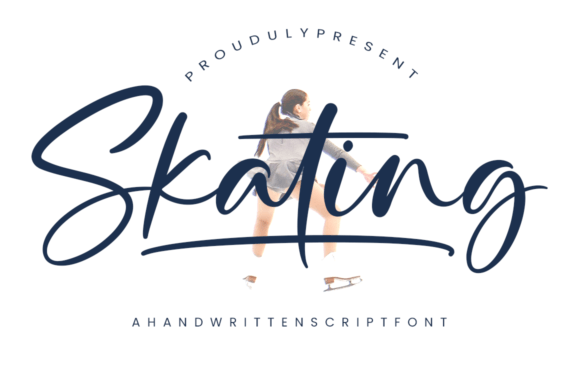
The primary distinction of Skating lies in its delicate stroke weight and the fluidity of its connections. As a script font, it mimics the natural flow of handwriting but is engineered with precision to ensure consistency across different media. The letterforms are characterized by gentle curves and subtle variations in line thickness, which create a sense of rhythm and organic movement.
This font is not merely decorative; it serves a functional purpose in elevating the perceived value of a design. When used correctly, Skating transforms ordinary text into a statement piece. The "refreshing" quality mentioned in its design philosophy refers to its ability to break away from the monotony of standard web and print typography. It offers a visual pause that draws the reader's eye, inviting them to engage more deeply with the content.
For professionals in the creative industry, the versatility of Skating is a key factor. It works well in both large display sizes and smaller body text, provided the context allows for its stylistic flair. The font's architecture supports a wide range of languages, making it a viable option for international projects that require a touch of European elegance.
Visual Identity and Emotional Resonance
Typefaces carry emotional weight, and Skating is no exception. Its delicate nature evokes feelings of grace, femininity, and refinement. However, this does not limit its use to traditionally feminine themes. In the hands of a skilled designer, the font can convey a modern, minimalist luxury that appeals to a broad audience aged 20 to 50.
The script style of Skating avoids the chaotic energy of casual hand-lettering. Instead, it maintains a structured backbone that ensures legibility even at a glance. This balance is crucial for brands that want to appear exclusive yet accessible. The font's ability to convey class makes it a strong contender for industries such as fashion, beauty, hospitality, and high-end lifestyle services.
Evaluating Skating Against Similar Options
When selecting a script font, designers often face a sea of alternatives ranging from formal calligraphy styles to loose, brush-like scripts. Comparing Skating with these other categories reveals specific strengths and tradeoffs that influence the final choice.
Formal Calligraphy vs. Skating: Traditional calligraphic fonts often feature heavy contrast between thick and thin lines and complex flourishes. While impressive, they can sometimes feel archaic or difficult to read in digital formats. Skating offers a middle ground; it retains the elegance of calligraphy but simplifies the strokes for better screen performance. If your project requires maximum legibility on mobile devices while maintaining a premium feel, Skating may be superior to strict historical calligraphy styles.
Casual Brush Scripts vs. Skating: On the opposite end of the spectrum are brush scripts that mimic the texture of paint on canvas. These fonts are energetic and bold but often lack the delicacy required for luxury branding. Skating provides a cleaner aesthetic that feels more curated and less spontaneous. For a brand aiming for stability and trustworthiness alongside creativity, the controlled nature of Skating is often a safer and more effective choice than a wild brush script.
Standard Serif Fonts vs. Skating: Many designers default to classic serifs for elegance. While reliable, they can appear generic if overused. Skating adds a layer of personality that standard serifs cannot match. However, the tradeoff is that Skating is less versatile for long-form reading. It excels as a display font for headlines, quotes, and accents, whereas a serif might be necessary for paragraphs of text. Understanding this distinction is vital for creating balanced typographic hierarchies.
Strengths, Limitations, and Best-Fit Scenarios
To make the most of Skating, one must understand where it shines and where it might falter. The font's greatest strength is its ability to inject a sense of occasion into a design. It turns a simple invitation into a keepsake or a product label into a collector's item. The "delicate" aspect of its design allows it to sit lightly on the page, preventing visual clutter in layouts that already contain rich imagery or complex patterns.
- Ideal Use Cases: Wedding stationery, boutique hotel branding, cosmetic packaging, fashion editorial headers, and artisanal product labels.
- Design Contexts: Works best when paired with clean sans-serif fonts or simple geometric shapes that let the script breathe.
- Digital Application: Excellent for hero sections on websites, email marketing subject lines, and social media graphics where immediate impact is needed.
However, there are limitations to consider. Because Skating is a decorative script, it should not be used for legal disclaimers, technical manuals, or any text requiring absolute clarity above all else. The delicate strokes can disappear at small sizes or on low-resolution screens. Additionally, its specific stylistic tone may clash with brands that prioritize utility, ruggedness, or extreme minimalism.
Navigating Tradeoffs in Decision Making
Selecting Skating involves a tradeoff between uniqueness and universality. By choosing this font, you commit to a specific aesthetic direction that signals sophistication. This is a strategic decision. If your target audience values tradition and exclusivity, Skating aligns perfectly with their expectations. Conversely, if your audience seeks efficiency, directness, or a tech-forward vibe, a more neutral typeface would likely serve your goals better.
Another consideration is the pairing strategy. A common mistake is using Skating in isolation or pairing it with another script. To maximize its impact, it is often best to combine it with a highly readable, neutral font. This creates a dynamic contrast where the script provides the emotion and the supporting font provides the information. This approach leverages the strengths of Skating without overwhelming the viewer.
Making the Right Choice for Your Project
The decision to incorporate Skating into a design project should be driven by the specific needs of the message and the identity of the brand. It is not a one-size-fits-all solution, but rather a specialized tool in the designer's toolkit. If the goal is to create a memorable, elegant impression that resonates with an adult audience appreciative of fine details, Skating is a compelling option.
Consider the medium of delivery as well. In print, the delicate lines of Skating can be rendered with exquisite detail, enhancing the tactile experience of the material. In digital environments, testing the font across various resolutions is essential to ensure the character remains crisp and recognizable. The "refreshing look" it promises is fully realized only when the technical execution matches the artistic intent.
Ultimately, the value of Skating lies in its ability to communicate class effortlessly. It removes the need for excessive ornamentation, allowing the typography itself to carry the weight of the design. For professionals evaluating resources for their next campaign, taking the time to test Skating against their current typographic palette can reveal new possibilities for visual storytelling. By weighing its distinct characteristics against the requirements of the project, designers can determine if this elegant script is the perfect vehicle for their message.
Whether you are crafting a narrative of luxury or simply seeking to elevate a standard layout, Skating offers a refined path forward. Its deliberate design choices ensure that it stands out as a symbol of quality, making it a worthy investment for projects that demand attention and appreciation for the finer points of design.