The Autumn Script Font: A Detailed Evaluation for Fashion and Editorial Projects
Selecting the right typography is rarely a simple task of finding a font that looks nice; it is about identifying a visual voice that aligns with the specific narrative of a brand or publication. For professionals in fashion, lifestyle, and editorial design, the search often leads to script typefaces that convey elegance without sacrificing readability. Among these options, The Autumn has emerged as a notable candidate. It is a beautiful, well-balanced, and graceful script font defined by smooth curves. However, understanding its unique character requires looking beyond surface aesthetics to how it functions within complex layouts.
This analysis explores the distinct qualities of The Autumn, evaluates its suitability for various applications, and compares its approach to other script categories. Whether you are designing a high-end lookbook or an intimate editorial spread, understanding the tradeoffs of this typeface will help you make a more informed decision.
Defining the Character of The Autumn
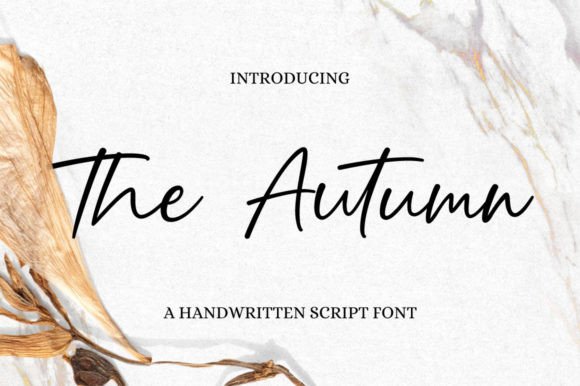
The Autumn distinguishes itself through a specific structural philosophy. Unlike many script fonts that rely on exaggerated swashes or chaotic flourishes to create movement, The Autumn prioritizes flow and consistency. Its defining feature is the use of smooth curves that guide the eye naturally from one letter to the next. This creates a sense of continuity that feels organic rather than forced.
In the world of digital and print design, "graceful" is often used loosely, but The Autumn demonstrates grace through proportion. The x-height is calibrated to ensure legibility even at smaller sizes, while the connecting strokes maintain a fluid rhythm. This balance makes it versatile. It does not demand attention in the same way a bold display font might; instead, it invites the viewer in, suggesting a whisper rather than a shout. This quality is particularly valuable in contexts where the text needs to support imagery rather than compete with it.
The font's name suggests a connection to nature, warmth, and transition, which is reflected in its stroke weight variations. The transitions between thick and thin lines are gradual, avoiding the harsh contrasts found in calligraphic scripts. This softness prevents the text from feeling rigid or overly formal, making it suitable for brands that wish to appear accessible yet sophisticated.
The Role of Smooth Curves in Readability
One of the most critical factors in evaluating any script font is its performance in body copy versus headlines. The Autumn is designed with smooth curves that reduce visual friction. In long-form editorial content, jagged edges or erratic connections can cause reader fatigue. By maintaining a consistent curve radius, The Autumn allows the brain to process words quickly.
However, this smoothness comes with a specific aesthetic constraint. Because the font avoids sharp angles, it may lack the edge required for certain modernist or industrial design themes. Designers must consider whether the project calls for a soft, inviting tone or a sharper, more assertive voice. If the goal is to evoke comfort and refinement, the smooth curves of The Autumn are a significant asset. If the design language relies on geometric precision, this font might feel too relaxed.
Evaluating Fit for Fashion Branding
Fashion branding operates on a delicate axis between exclusivity and approachability. A clothing label needs typography that communicates quality and style without alienating potential customers. The Autumn fits into this niche effectively because it mimics the fluidity of fabric and movement.
- Luxury Positioning: The balanced weight of the letters suggests stability and confidence. It works well for luxury brands that want to avoid the pretension of overly ornate Victorian scripts.
- Editorial Integration: In magazine spreads, The Autumn can be used to pull out key quotes or captions. Its graceful nature ensures that the text complements high-fashion photography rather than distracting from the textures and colors of the garments.
- Brand Consistency: Because the font is well-balanced, it maintains its integrity across different media, from large-scale billboards to small social media thumbnails. The smooth curves scale down effectively, retaining their character even when reduced in size.
When comparing The Autumn to other script options in the fashion space, it stands out for its restraint. Many competitors in this category lean heavily into "handwritten" authenticity, which can sometimes look messy or unprofessional if not kerned perfectly. The Autumn offers a polished version of the handwritten look, providing the human touch of a signature with the reliability of a professional typeface.
Comparative Analysis: Alternatives and Categories
When designers research typefaces, they rarely evaluate a single option in isolation. They compare The Autumn against broader categories of scripts, including formal calligraphy, casual hand-lettering styles, and modern brush fonts. Understanding these distinctions clarifies where The Autumn sits in the market.
Formal Calligraphy vs. The Autumn
Traditional calligraphic fonts are often characterized by extreme contrast between thick and thin strokes, sharp serifs, and elaborate ligatures. While these fonts exude tradition and formality, they can be difficult to read in digital formats or when set in all caps. The Autumn shares the elegance of formal calligraphy but strips away the rigidity. It is less likely to clash with sans-serif body text, making it a safer choice for mixed-typeface layouts common in modern web design.
Casual Hand-Lettering Styles
Casual scripts often prioritize personality over perfection. They may include ink splatters, uneven baseline alignment, or irregular stroke widths to simulate a quick jotting. While effective for youthful, energetic brands, these fonts can undermine the authority of a fashion house or an editorial publication. The Autumn occupies a middle ground. It retains the warmth of a personal touch but adheres to strict typographic rules regarding spacing and alignment. This makes it more reliable for professional projects where consistency is paramount.
Modern Brush Fonts
Brush fonts have gained popularity for their dynamic, textured appearance. They often mimic the look of a dry brush or a marker. While visually striking, brush fonts can introduce texture that interferes with fine details in photography. The Autumn, being smoother, offers a cleaner canvas. It provides the emotional resonance of a brush stroke without the visual noise. For designs where the image is the hero, The Autumn serves as a subtle frame rather than a competing element.
Decision Factors and Tradeoffs
Choosing The Autumn involves weighing its strengths against specific limitations. No single typeface is a universal solution, and recognizing when to use it—and when to look elsewhere—is a crucial skill for designers.
Strengths:
- Versatility: Its balanced nature allows it to work in both headline and subhead roles.
- Tone: It effectively communicates sophistication, warmth, and femininity without being cliché.
- Legibility: The smooth curves and clear letterforms ensure that the message remains readable across various sizes.
Limitations:
- Niche Appeal: The specific "graceful" aesthetic may not suit brands targeting a rugged, streetwear, or avant-garde audience. It lacks the aggressive edge required for those sectors.
- Language Support: Like many specialized script fonts, the range of languages supported may be limited compared to standard sans-serifs. Designers working on international campaigns should verify character sets before committing.
- Overuse Risk: Because The Autumn is so aesthetically pleasing, there is a risk of overusing it. If every element on a page uses this script, the design can lose impact. It is best employed strategically to highlight specific moments in the narrative.
Practical Applications and Use Cases
To fully grasp the utility of The Autumn, it helps to visualize it in real-world scenarios. Consider a fashion brand launching a new autumn collection. The marketing campaign includes a website, lookbook, and social media assets. Using The Autumn for the collection title and key product descriptions creates a cohesive theme. The smooth curves echo the falling leaves and flowing fabrics, reinforcing the seasonal concept without needing literal imagery.
In editorial design, such as a feature article on interior trends, The Autumn can be used for pull quotes or section headers. It breaks up dense blocks of serif body text, adding a layer of visual interest that feels curated rather than generic. The font's ability to connect with the surrounding content makes it an excellent tool for guiding the reader's eye through a story.
For wedding invitations or event branding, The Autumn offers a timeless elegance. Unlike some script fonts that trend quickly and date rapidly, the classic proportions of The Autumn suggest longevity. It conveys a sense of occasion and importance, fitting for events where the visual presentation is as significant as the experience itself.
Making the Final Choice
Ultimately, the decision to use The Autumn depends on the specific goals of your project. If your objective is to create a brand identity that feels refined, approachable, and visually harmonious, this font is a strong contender. Its definition by smooth curves and its reputation for being well-balanced make it a reliable tool for designers who value subtlety.
However, if your project requires a font that makes a loud statement, challenges conventions, or mimics raw, unpolished handwriting, you may find better alternatives elsewhere. The Autumn is not designed to shock; it is designed to soothe and elevate. By understanding these nuances, you can determine if it is the right partner for your creative vision.
As you move forward with your design process, test The Autumn in context. Set it against your primary imagery and body text. Observe how the eye travels through the layout. Does the smoothness enhance the experience, or does it feel disconnected? Trust your intuition, but back it up with practical testing. In the world of typography, the best choice is always the one that serves the content most effectively.