Manohara Willona: A Strategic Asset for Visual Storytelling
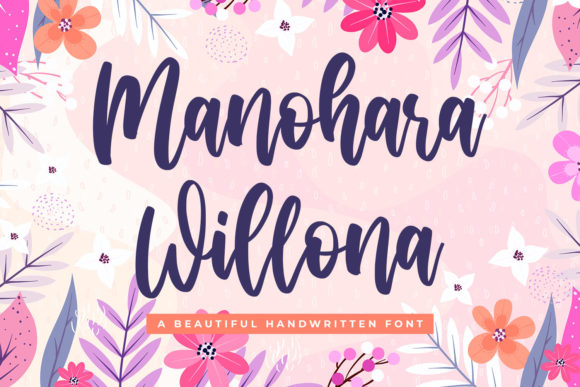
In the landscape of digital and print communication, typography is rarely just a vehicle for text; it is a primary driver of emotion, brand perception, and user engagement. Manohara Willona stands out in this crowded field not merely as a decorative element, but as a strategic tool designed to evoke specific psychological responses. It is a sweet and beautiful script font that brings a distinct sense of joy and approachability to any project. For entrepreneurs, marketers, and creators who understand that design decisions directly impact business outcomes, recognizing the unique value proposition of Manohara Willona is essential for crafting compelling narratives.
The aesthetic appeal of Manohara Willona lies in its cute and joyful style. Unlike rigid geometric sans-serifs or formal serifs that convey authority and distance, this typeface invites the viewer in. It softens the visual tone of a message, making complex information feel accessible and personal. When deployed with intention, it can transform a standard transactional interaction into an emotional connection. This article explores how professionals can leverage the characteristics of Manohara Willona to achieve better results in branding, customer experience, and content strategy.
Understanding the Strategic Value of Script Typography
Before integrating Manohara Willona into your workflow, it is crucial to understand what makes it strategically useful beyond its surface beauty. In marketing psychology, fonts act as non-verbal cues. They set the stage before a single word is read. A script font like Manohara Willona signals warmth, creativity, and human touch. It suggests that there is a real person behind the brand, which is particularly valuable in an era where automation and AI often dominate communication.
For small business owners and freelancers, establishing trust quickly is a primary challenge. Using Manohara Willona in key areas of your communication can lower the barrier to entry for new customers. It reduces the perceived "corporate" friction that often alienates potential clients. However, this utility comes with constraints. The font is not a universal solution; it is a specialized instrument. Its strength lies in its ability to create atmosphere rather than to deliver dense data. Recognizing this distinction is the first step toward making better design decisions.
- Emotional Resonance: The font's joyful nature triggers positive affective responses, making it ideal for brands focused on lifestyle, wellness, or community.
- Differentiation: In a sea of minimalist black-and-white designs, Manohara Willona offers a unique visual identity that helps a brand stand out without shouting.
- Narrative Enhancement: It supports storytelling by adding a layer of personality to copy that standard fonts cannot achieve.
Applications in Branding and Customer Experience
The most effective use of Manohara Willona occurs when it aligns with the core values of a brand. Consider the scenario of a boutique wedding planner or a handmade artisan shop. These businesses thrive on the perception of care, detail, and personal attention. Here, the cute and joyful style of Manohara Willona is not just appropriate; it is functional. It reinforces the promise of a personalized service.
When creating gorgeous wedding invitations, the choice of typography sets the expectation for the event itself. A guest receiving an invitation featuring Manohara Willona anticipates a celebration filled with warmth and happiness. This alignment between the medium (the font) and the message (the event) creates a cohesive brand experience. If the font were mismatched—say, a harsh industrial typeface—the cognitive dissonance could undermine the excitement of the occasion.
Beyond physical products, this font plays a pivotal role in digital customer journeys. Social media platforms are visually saturated environments where users scroll rapidly. Eye-catching social media posts utilizing Manohara Willona can arrest the scrolling thumb. The fluidity of the script draws the eye, while the sweetness of the form encourages a pause and a click. For educators and bloggers, using this font in headers or pull quotes can make learning materials feel less academic and more inviting, encouraging deeper engagement with the content.
Planning Your Design Strategy
To use Manohara Willona effectively, one must move from random selection to intentional planning. Relying on a font simply because it looks pretty is a common pitfall that leads to inconsistent branding and diluted messages. Instead, treat the font as a component of a broader operational strategy. Ask yourself: What goal am I trying to achieve with this piece of content? Is the objective to inform, persuade, or entertain?
- Define the Context: Determine if the situation calls for a personal touch. If you are drafting a legal contract or a technical manual, Manohara Willona is likely inappropriate and may undermine your credibility.
- Analyze the Audience: Does your target demographic respond well to whimsical or playful aesthetics? Adults aged 20–50 appreciate authenticity. While some segments may find script fonts too casual, others will view them as a sign of modern, human-centric branding.
- Establish Hierarchy: Use Manohara Willona for headlines, accents, or short phrases. Avoid using it for body text, as script fonts generally have lower legibility at smaller sizes and over long stretches.
Decision-making regarding typography should be grounded in realistic use cases. For instance, a professional photographer might use Manohara Willona for their portfolio website's tagline and blog post titles to reflect the artistic nature of their work, while keeping the main body text in a clean sans-serif for readability. This balance ensures that the brand remains approachable without sacrificing professionalism or usability.
Risks and Mitigation Strategies
Even the most beautiful tools carry risks if used without clear goals or context. The primary danger associated with Manohara Willona is overuse. Because of its distinctive style, it can easily become overwhelming. If every line of text on a page uses this font, the result is visual noise that confuses the reader and obscures the message. Furthermore, relying solely on the "cute" aspect of the font can make a brand appear immature or unprofessional if the underlying product or service is serious in nature.
To mitigate these risks, adhere to the principle of contrast. Pair Manohara Willona with neutral, structured fonts. This combination allows the script to shine as an accent while maintaining the structural integrity of the layout. Another risk is accessibility. Ensure that the weight and spacing of the font remain readable for all users, including those with visual impairments. Test your designs across different devices and screen sizes to ensure that the elegance of the script does not degrade into illegibility on mobile screens.
Additionally, consider the longevity of your design choices. Trends in typography shift rapidly. A font that feels trendy today might look dated in five years. However, Manohara Willona has a classic script foundation that tends to age better than overly stylized novelty fonts. Still, always prioritize clarity and function over fleeting trends. The goal is to build a brand that endures, not one that relies on temporary aesthetic spikes.
Integrating Creativity with Productivity
One might assume that choosing a decorative font slows down the creative process, but strategic implementation actually enhances productivity. By having a predefined set of typographic rules—such as "Manohara Willona for all client-facing headers"—you reduce decision fatigue. You do not need to debate font choices for every new email template or social media graphic. The font becomes a reliable asset in your toolkit, ready to deploy whenever the situation calls for a warm, inviting tone.
This consistency builds a recognizable visual language. Over time, audiences begin to associate the specific look of Manohara Willona with your brand's values. This recognition is a powerful asset in marketing. It reduces the cognitive load required for a customer to identify your content amidst the clutter of the internet. When a user sees that familiar script, they immediately know they are engaging with a brand that values joy and personal connection.
For publishers and designers, understanding the nuances of Manohara Willona allows for more sophisticated layouts. You can use it to highlight testimonials, emphasize call-to-action buttons, or frame special announcements. These small details contribute to a high-quality user experience that keeps visitors on your site longer and encourages them to take action. The font acts as a subtle guide, leading the eye through the content in a natural, flowing rhythm.
Moving Forward with Intentionality
The journey to mastering the use of Manohara Willona involves continuous refinement and observation. It requires a willingness to experiment while maintaining a firm grip on strategic objectives. Start by incorporating the font into low-stakes projects to gauge audience reaction. Monitor engagement metrics such as click-through rates, time on page, and social shares. Do these metrics improve when the font is used appropriately? Does it enhance the emotional resonance of your message?
Remember that good design is invisible; it works so seamlessly that the audience focuses on the message, not the method. When Manohara Willona is used correctly, it disappears into the background, leaving only the feeling of warmth and joy. This is the ultimate goal of any design strategy. Whether you are creating stationary art, planning a marketing campaign, or designing a digital interface, let the unique character of this font serve your larger mission.
By treating Manohara Willona as a strategic partner rather than a mere decoration, you unlock its full potential. It becomes a bridge between your brand and your audience, facilitating communication that is both beautiful and effective. Embrace its cute and joyful style, but always anchor your usage in clear goals and thoughtful planning. In doing so, you ensure that your visual communications are not just seen, but felt and remembered.