Why Gingle Snowland Stands Out in Modern Design
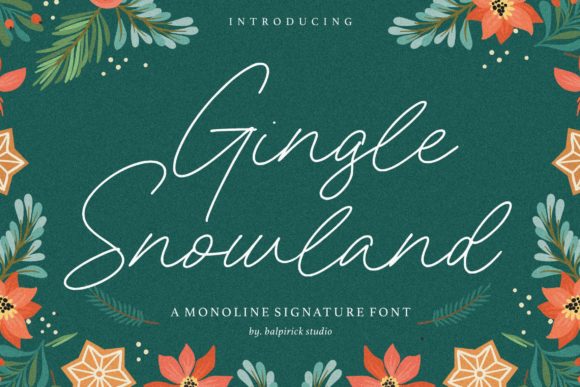
If you are looking to add a touch of elegance and fluidity to your visual projects, Gingle Snowland is a typeface that demands attention. This gorgeous monoline script font offers a unique blend of sophistication and approachability that few other fonts can match. Unlike stiff, rigid typefaces, Gingle Snowland flows with a natural rhythm, making it an excellent choice for product packaging, branding projects, magazine layouts, social media graphics, wedding invitations, or simply expressing words above a background image.
However, while the aesthetic appeal of this amazing typeface is undeniable, using it effectively requires more than just downloading the file and applying it to your design. Many creators make critical errors when integrating script fonts like Gingle Snowland into their work, often resulting in designs that look unprofessional or fail to communicate the intended message clearly. Understanding the nuances of this specific font family is essential for achieving high-quality results.
The Allure of Monoline Script Typography
Before diving into potential pitfalls, it is important to understand why designers gravitate toward Gingle Snowland. The defining characteristic of this font is its consistent stroke width, known as monoline. This uniformity gives the text a modern, clean appearance that remains legible even at smaller sizes, a common struggle for many decorative scripts. When used correctly, the font creates a sense of movement and grace that feels organic rather than forced.
For entrepreneurs and small business owners, this versatility is a game-changer. Whether you are designing a luxury cosmetic label or a casual blog header, the font adapts well to various contexts. It bridges the gap between formal elegance and friendly warmth, allowing brands to convey a personality that is both premium and accessible.
Pitfalls in Font Selection and Usage
Despite its strengths, Gingle Snowland is not a one-size-fits-all solution. A common mistake among beginners is assuming that any script font will automatically elevate a design. Without careful consideration, users often pair this elegant typeface with clashing elements that undermine its beauty. For instance, placing Gingle Snowland over a busy, high-contrast background without sufficient spacing can render the text unreadable. This oversight directly impacts communication efficiency; if your audience cannot read your message, the design has failed its primary purpose.
Another frequent error involves neglecting the technical specifications of the font file. Some users download free versions that lack proper kerning pairs or OpenType features, leading to awkward gaps between letters or incorrect ligatures. In professional branding, these subtle inconsistencies can make a project look amateurish. It is crucial to verify that you are using a version of Gingle Snowland that supports the necessary character sets for your language and includes optimized spacing adjustments.
Avoiding Common Application Errors
Once you have secured the correct font, the next challenge is application. Many designers fall into the trap of overusing script fonts. While Gingle Snowland is stunning, using it for body text or long paragraphs is generally ill-advised. Scripts are designed for headlines, accents, and short phrases. Attempting to use them for extensive reading material causes eye strain and reduces readability significantly. To maintain a polished look, reserve the font for titles, logos, and key emphasis points.
Furthermore, color contrast plays a vital role in the success of your design. A popular but ineffective approach is using white text on a light background with Gingle Snowland. Because the font relies on fine lines, low contrast can cause the strokes to disappear visually. Always test your color combinations to ensure the monoline details remain distinct. High contrast ensures that the delicate nature of the script is preserved, enhancing the overall visual impact.
- Check Legibility: Ensure the font size is large enough to maintain clarity, especially when used on mobile devices where screen real estate is limited.
- Pair Wisely: Combine Gingle Snowland with a simple sans-serif or serif font for body text to create a balanced hierarchy.
- Respect Spacing: Adjust tracking (letter-spacing) carefully. Too tight, and the letters merge; too loose, and the connection between characters breaks, losing the script's flow.
Evaluating Licensing and Commercial Use
For freelancers and marketers, understanding licensing terms is non-negotiable. A significant number of users inadvertently violate copyright by using a personal license for commercial projects. If you plan to use Gingle Snowland on product packaging, client branding, or paid advertisements, you must purchase the appropriate commercial license. Ignoring this step can lead to legal disputes, financial penalties, and the need to rebrand entire campaigns, which is costly and time-consuming.
Always review the End User License Agreement (EULA) provided by the creator before purchasing or downloading. Reputable sources will clearly outline what you can and cannot do with the font. This due diligence protects your business reputation and ensures ethical usage practices. If you are unsure, contact the designer or publisher directly to clarify your intended use case.
Maximizing Impact Through Strategic Choices
To truly leverage the power of Gingle Snowland, focus on context and intent. Consider the emotional response you want to evoke. The flowing lines of this font suggest creativity, celebration, and personal touch. Using it for a corporate annual report might feel out of place unless the brand identity specifically targets a creative industry. Aligning the font's personality with your brand voice is key to effective communication.
When creating social media content, experiment with different layouts. Instead of placing the text in a standard box, try wrapping it around an image or using it as a watermark behind a product shot. These creative approaches highlight the font's artistic capabilities while maintaining functionality. However, always prioritize the message. The font should enhance the content, not distract from it.
For educators and bloggers, Gingle Snowland can be an excellent tool for highlighting quotes or section headers. It adds a layer of visual interest that keeps readers engaged. Just remember to keep the surrounding text neutral and easy to scan. This balance ensures that your content remains accessible to all users, including those using assistive technologies.
Final Thoughts on Implementation
Success with Gingle Snowland comes from respecting the craft of typography. By avoiding common mistakes such as poor pairing, inadequate licensing, and neglecting readability, you can produce designs that are both beautiful and functional. Take the time to test your designs across different mediums, from print to digital screens, to ensure consistency. With thoughtful application, this amazing typeface can become a cornerstone of your visual identity, elevating your projects from ordinary to extraordinary.
Whether you are a seasoned professional or just starting your journey in design, the right tools make all the difference. By choosing Gingle Snowland wisely and applying it with care, you ensure that your work stands out in a crowded marketplace while maintaining the highest standards of quality and professionalism.