Happy Diary: Elevating Modern Design with a Chic Duo Font
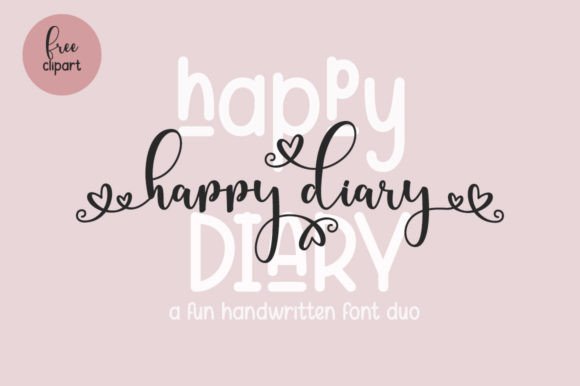
In an era where digital communication is often dominated by sterile, utilitarian typefaces, finding a voice that balances professionalism with genuine warmth has become a priority for creators and businesses alike. Enter Happy Diary, a lovely, chic, and delicate duo font sans serif and script that offers a refreshing departure from the standard design toolkit. This typeface is not merely a collection of characters; it is a sophisticated tool designed to help you create spectacular designs that resonate on a human level.
The modern web and print landscape are shifting away from rigid uniformity toward more expressive, personality-driven aesthetics. Whether you are a freelancer crafting a personal brand, a marketer launching a lifestyle campaign, or an educator designing engaging course materials, the typography you choose sets the tone before a single word is read. Happy Diary fits perfectly into this evolving ecosystem, offering a versatile style that bridges the gap between structured clarity and fluid elegance.
Understanding the Versatility of Happy Diary
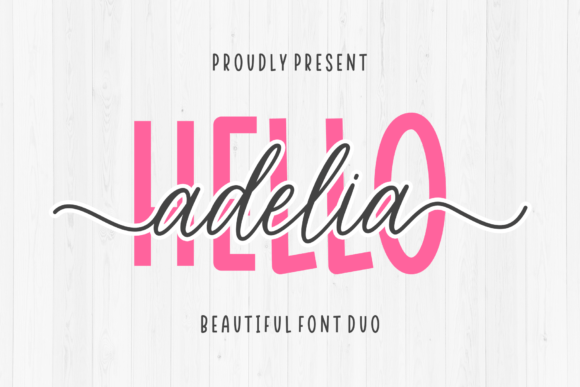
At its core, Happy Diary is a duo font, meaning it combines two distinct typographic voices within a single package. The sans-serif component provides the backbone of legibility, essential for body text, navigation, and data-heavy layouts. Meanwhile, the script element injects a sense of movement, intimacy, and artistic flair, perfect for headlines, accents, and emotional storytelling. This duality allows designers to maintain a cohesive visual identity without needing to juggle multiple type families.
The "chic and delicate" nature of this font makes it particularly relevant for industries that value sophistication and attention to detail. Fashion bloggers, wedding planners, boutique owners, and creative agencies often seek fonts that convey exclusivity without sacrificing readability. By utilizing Happy Diary, professionals can achieve a high-end look that feels approachable rather than intimidating. The delicate strokes of the script mimic the natural flow of handwriting, adding a layer of authenticity that mass-produced digital text often lacks.
Bridging the Gap Between Structure and Flow
One of the most significant challenges in modern design is balancing structure with creativity. Too much rigidity can make a brand feel cold, while too much flourish can undermine credibility. Happy Diary solves this by allowing users to mix and match styles seamlessly. Imagine a blog post where the headline uses the elegant script to grab attention, while the body text utilizes the clean sans-serif for easy reading. This combination creates a rhythm that guides the reader through the content naturally.
This versatility extends beyond just blogs. For entrepreneurs launching new products, the ability to switch between a confident sans-serif for product specifications and a graceful script for marketing slogans can significantly enhance the perceived value of a brand. It allows for nuanced storytelling where different parts of the message can be emphasized through typographic variation.
Technical Excellence: The Power of PUA Encoding
While the aesthetic appeal of a font is crucial, the technical implementation is what separates good designs from great ones. Many decorative fonts suffer from limited character sets, forcing designers to use workarounds or compromise on their vision. However, Happy Diary stands out because it is PUA encoded. This technical feature is a game-changer for serious creators who need precision and flexibility.
Private Use Area (PUA) encoding means that all glyphs, including specialized swashes, ligatures, and alternate characters, are accessible directly through the keyboard or font menu without complex plugin setups. In practical terms, this translates to efficiency. You do not need to manually select every individual glyph or rely on third-party software to access the full range of the font's capabilities.
For freelancers and business owners working under tight deadlines, this ease of access is invaluable. You can quickly insert swashes to add a touch of flair to a logo or use alternative letterforms to solve spacing issues in real-time. The ability to access all glyphs with ease ensures that your final output is polished and professional, reflecting the high standards expected in today's competitive market.
Streamlining Creative Workflows
The integration of PUA encoding aligns with the broader trend of streamlining creative workflows. Modern professionals expect tools that adapt to their pace, not slow them down. With Happy Diary, the barrier between concept and execution is lowered. A designer can sketch a layout and immediately apply the appropriate font variations without interruption. This fluidity encourages experimentation, leading to more innovative designs that might have been overlooked if the technical process were cumbersome.
Furthermore, this accessibility supports better collaboration. When team members share files, the risk of missing fonts or broken glyphs is minimized because the characters are embedded in a standard, accessible format. This reliability is essential for remote teams and agencies working across different time zones and platforms.
Adapting to Changing User Expectations
User expectations regarding digital content are evolving rapidly. Audiences today are more visually literate and demand content that feels curated and thoughtful. They are less likely to engage with generic templates and more likely to connect with brands that show a unique personality. Happy Diary addresses this shift by providing a tool that helps brands stand out in a crowded marketplace.
In the context of social media and mobile-first design, the delicate nature of the script in Happy Diary performs exceptionally well on smaller screens. Its clean lines remain legible even at reduced sizes, while the script elements provide the necessary visual interest to stop the scroll. For marketers and content creators, this means higher engagement rates and better retention of user attention.
Additionally, the trend towards "human-centric" design favors typography that mimics organic forms. As automation and AI generate vast amounts of content, there is a growing desire for the imperfections and nuances of human creation. Using Happy Diary allows professionals to inject that human touch back into their digital presence, fostering trust and connection with their audience.
Practical Applications for Professionals and Hobbyists
The utility of Happy Diary spans a wide array of applications, making it a valuable asset for both seasoned professionals and curious hobbyists. For educators, the font can transform dry lecture notes into engaging study guides, using the script to highlight key concepts and the sans-serif for detailed explanations.
- Branding and Identity: Create memorable logos and brand guidelines that balance modern minimalism with classic elegance.
- Editorial Design: Enhance magazine layouts, newsletters, and eBooks with a sophisticated typographic hierarchy.
- Event Planning: Design invitations, signage, and programs that set the right mood for weddings, galas, and corporate events.
- Product Packaging: Add a touch of luxury to packaging for cosmetics, gourmet foods, and artisanal goods.
Even for those just starting their creative journey, Happy Diary offers a forgiving yet powerful platform. The PUA encoding ensures that mistakes are easily corrected, encouraging users to explore different combinations without fear of breaking their design. This accessibility lowers the entry barrier for aspiring designers, empowering them to produce high-quality work sooner.
Looking Ahead: Typography as a Strategic Asset
As we move further into a digital-first future, the role of typography will only grow in importance. It is no longer just about conveying information; it is about conveying emotion, values, and brand identity. Happy Diary represents a forward-thinking approach to this challenge, offering a solution that is both timeless and contemporary.
The focus on versatility and technical ease reflects a broader understanding of how people work and create today. By providing a font that is easy to use but difficult to replicate, Happy Diary empowers users to take ownership of their visual narrative. Whether you are updating a website, launching a new product line, or simply expressing yourself creatively, this duo font provides the foundation for spectacular designs.
In conclusion, the relevance of Happy Diary lies in its ability to meet the diverse needs of the modern creator. It combines the best of sans-serif functionality with the charm of script elegance, all wrapped in a technically robust package. For anyone looking to elevate their design work and connect more deeply with their audience, exploring the potential of Happy Diary is a step worth taking. It is a reminder that in a world of noise, a little bit of chic and delicate style can make all the difference.